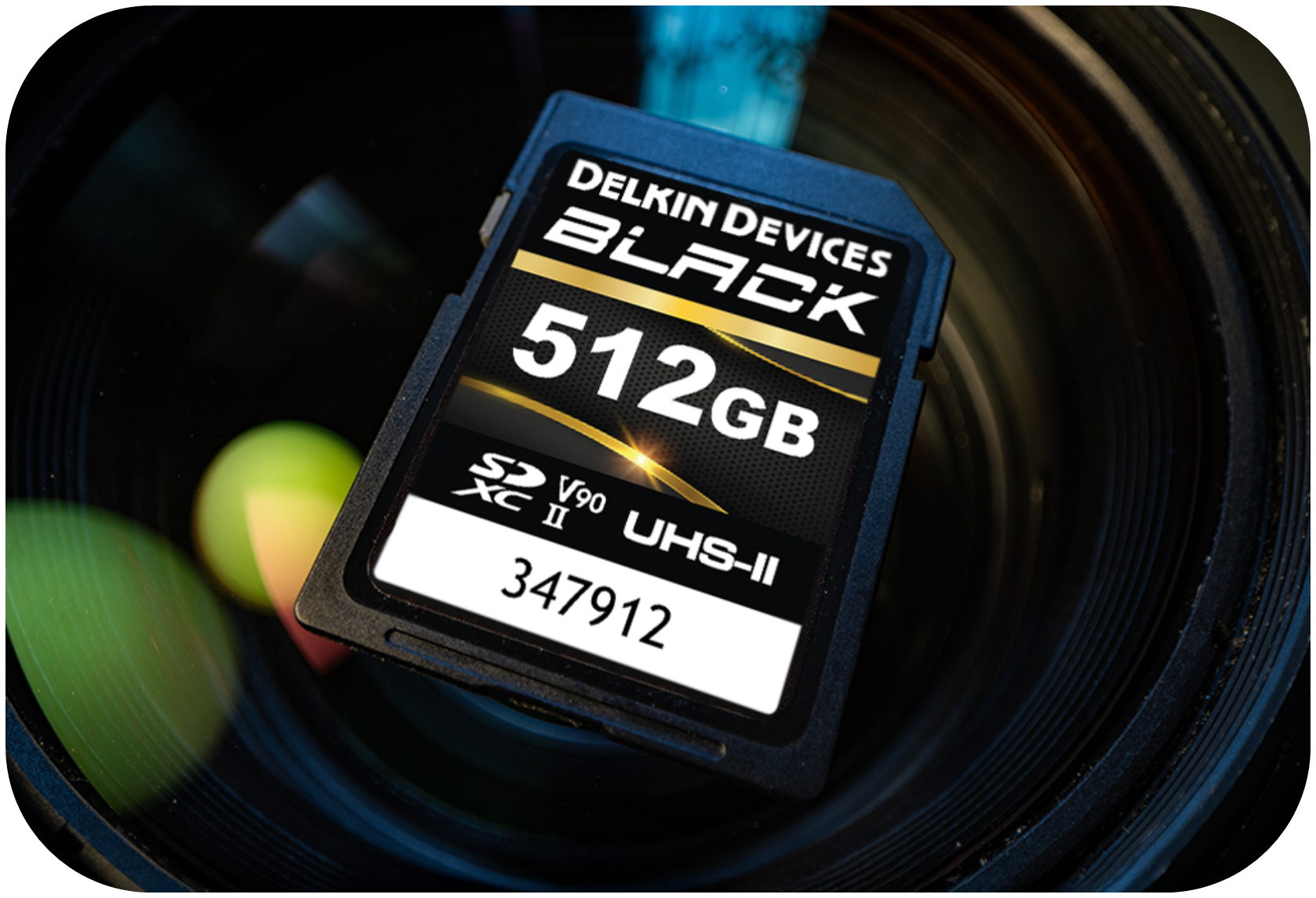
Don’t you hate it when you run out of space on your memory card? First you have to take your filled card out of the camera, then you have to search through your bag/backpack for your additional cards, next you put an empty card back into the camera, maybe you also have to format it as well, and finally you can resume shooting – that’s maybe 30 – 45 seconds of lost time and potentially missed moments.
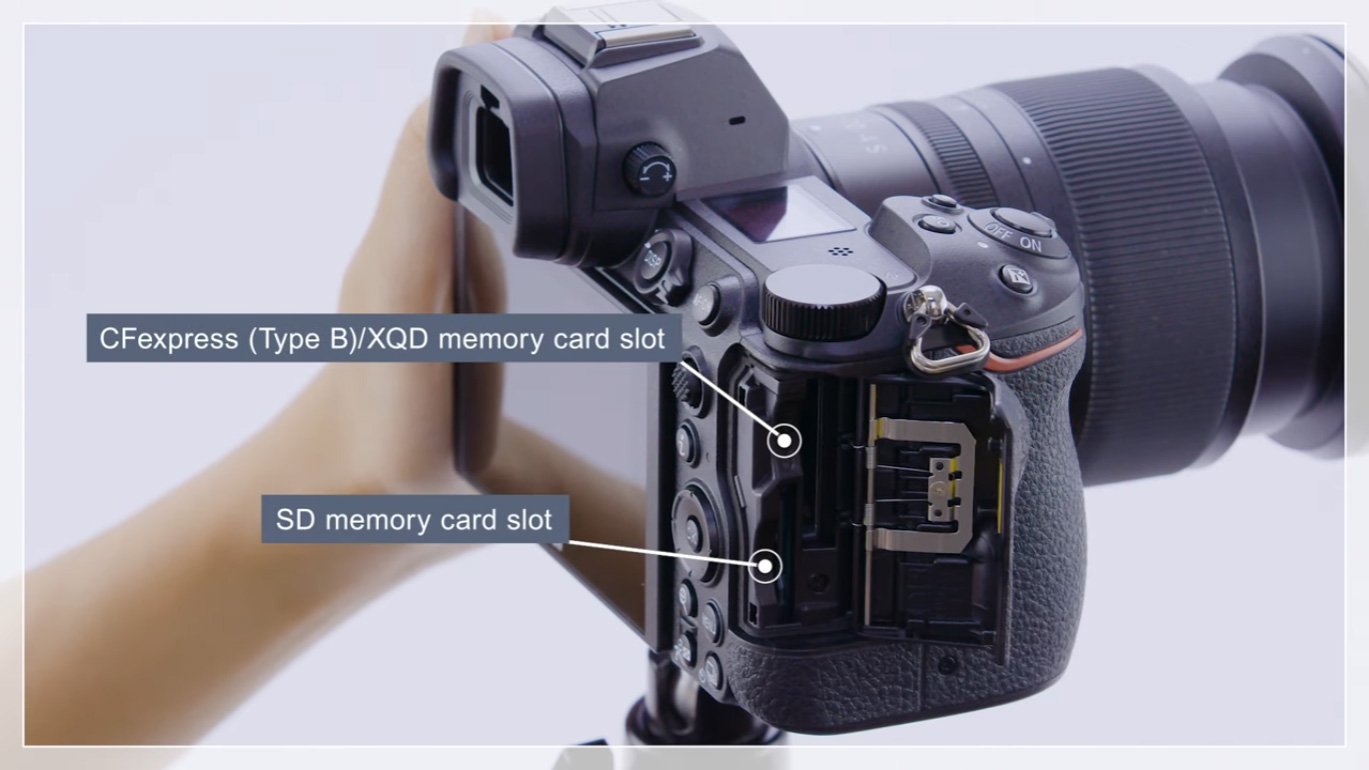
With dual memory card slots, photos and videos will automatically be saved to the 2nd card once the 1st has filled up – no gap or delay in between. This is a lifesaver in a variety of situations, especially ones that are fast-paced and feature a lot of motion (e.g. weddings, wildlife, sporting events, concerts, presentations, etc.)
It is important to note though that performance will be dependent on the card being written to. Take for example the Nikon Z9, which is designed with (2) CFexpress™ Type B memory card slots. You can expect performance to be consistent during the switch over to the 2nd card because both slots accept the same card type, in comparison to a camera that instead features (1) CFexpress™ Type B slot and (1) SD UHS-II slot, like the Panasonic GH6. SD cards are much slower than CFexpress™ Type B memory cards, so the amount and even the type captured will decrease as a result.