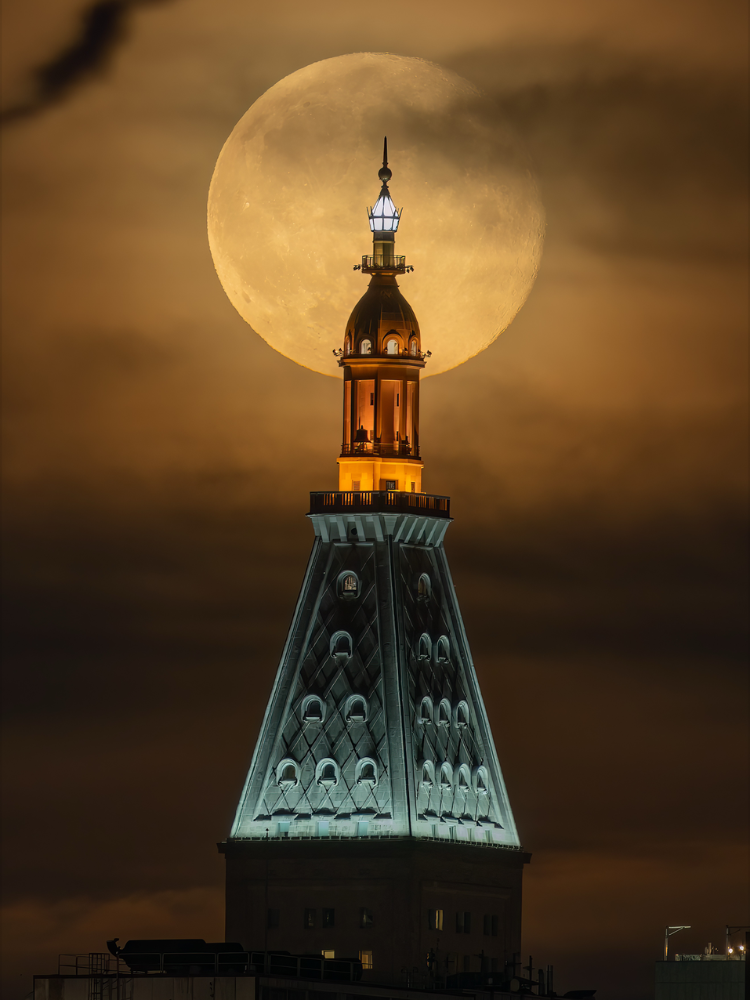
Capturing images of the moon can be quite difficult when you’re aligning the moon with your subject; however, if you prepare your viewpoint in advance, the final outcome can be crucial to your success.
The early morning and late afternoon light brings out the warm reds, oranges and yellows in leaves – while shadows add a sense of depth and dimension.

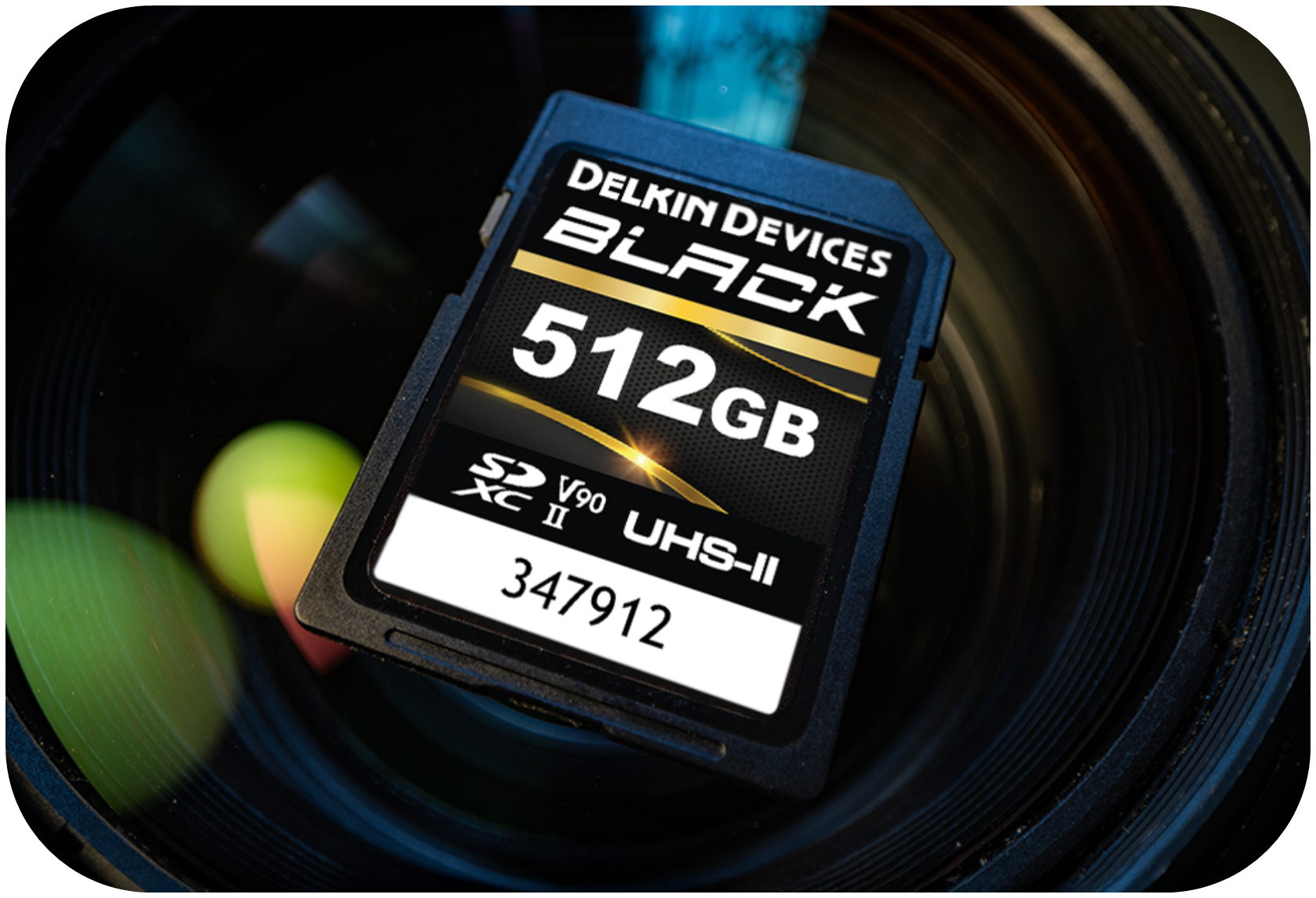
Reliable Memory Cards — Delkin Devices has been my preferred choice of memory cards. The importance of having cards you can trust is crucial. They’re fast, reliable and rugged. I mainly use their their CFexpress memory cards in my mirrorless bodies!
Extra Batteries — I always pack a couple of extra batteries while shooting the moon. This is useful in case your camera was left on inside the camera bag! Extra is always a plus
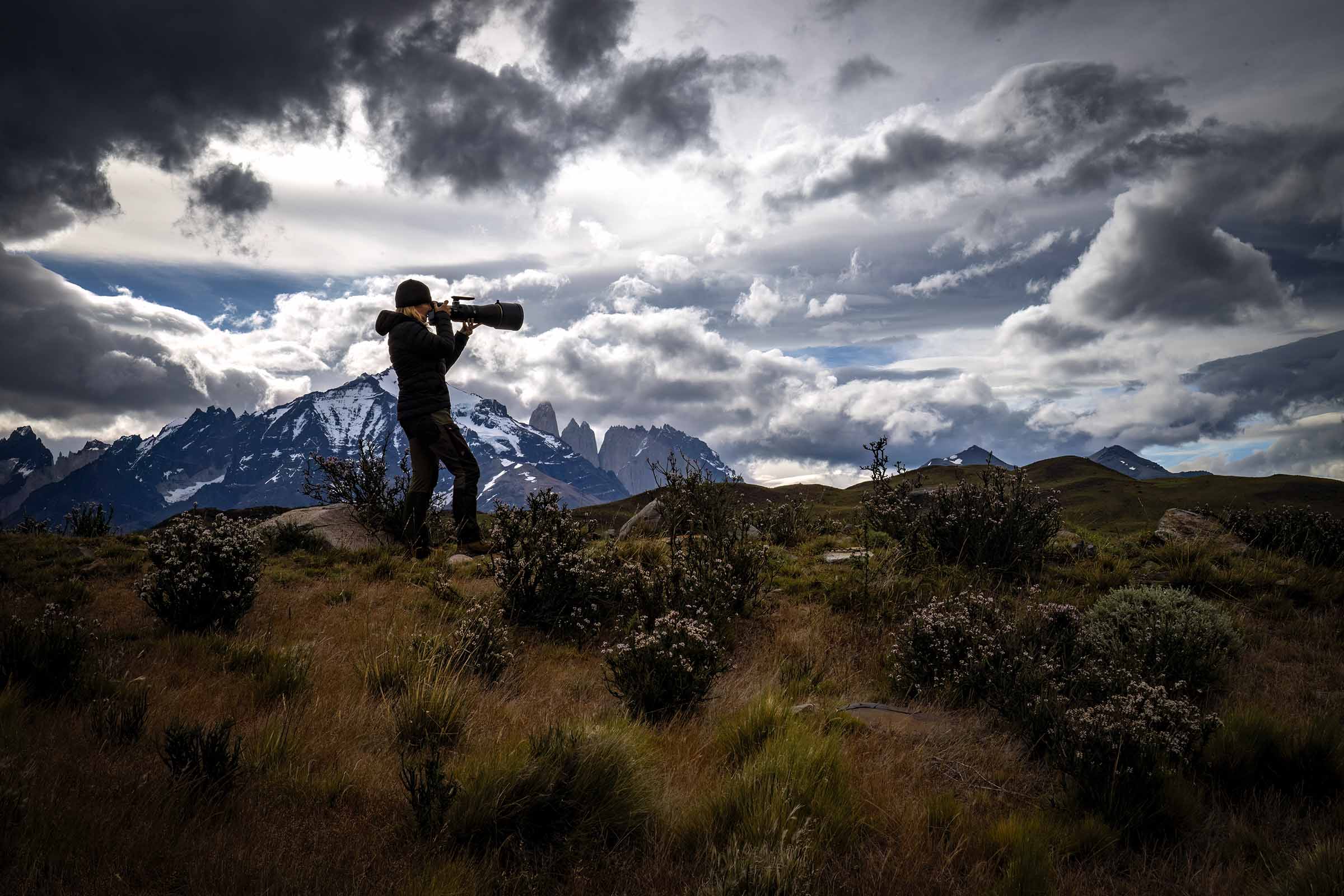
Sturdy Tripod — It’s vital to have a sturdy tripod, especially while shooting with a telephoto lens. I usually bring along my Leofoto carbon fiber tripods and use their LH series ball heads for optimal stability. There’s a lot of weight to a telephoto lens — such as the Sigma 300-600mm f/4 DG OS | Sports. It can get windy — especially by the water.
The Right Lens — What is the right lens? If you want that “big moon” I would suggest using a 60-600mm, 150-600mm, 100-500mm or even a 70-200mm + 2x extender. Using a 2x extender is very helpful when you’re shooting far away from your target.
Do you own a DSLR or mirrorless camera body? This part of the article is very important – stay with me!
DSLR Camera Body
Are your photos blurry? If you’re using a DSLR camera body, make sure all of the legs on your tripod are evenly pulled out and that you tighten everything on your tripod and ball head. Remove your camera strap and turn off image stabilization on your lens. Turning off your lens stabilization while your DSLR camera body and lens are on a tripod prevents the stabilizer to correct non-existent movements.
Mirrorless Camera Body
If you own a mirrorless camera body— the IBIS is usually on by default. Today’s camera bodies are smart enough to detect that the camera body is on a tripod – so there’s no need to worry about turning off your IBIS.
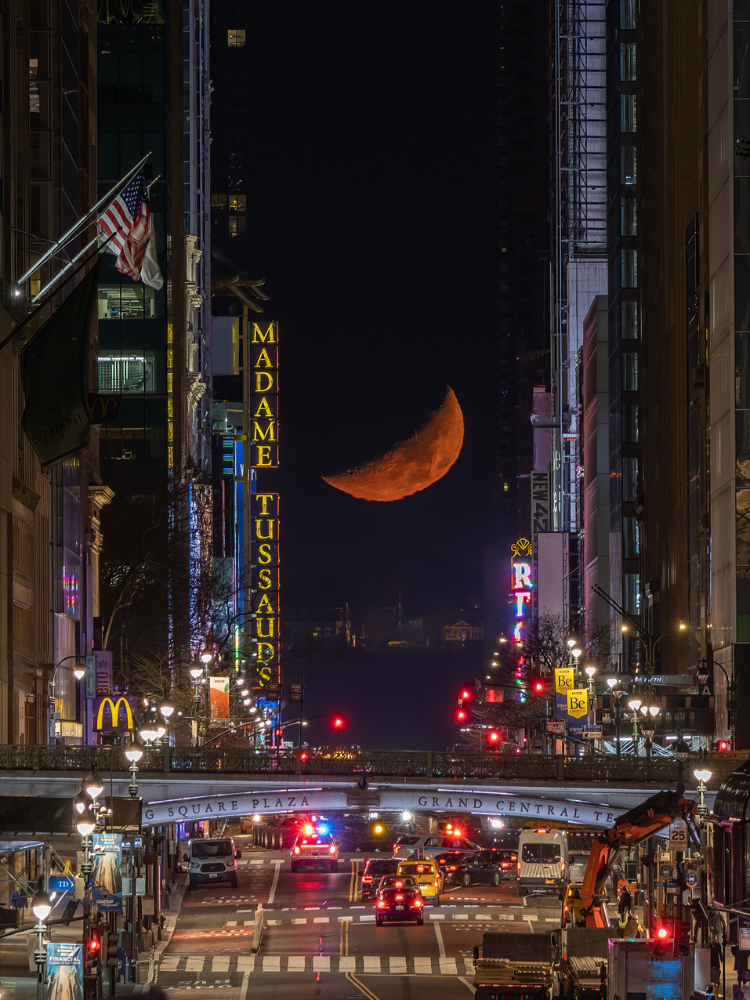
Is there a forecast for cloudy skies or wind during your next shoot? Sometimes, those conditions can lead to great shots. Don’t lose hope; go out just in case!
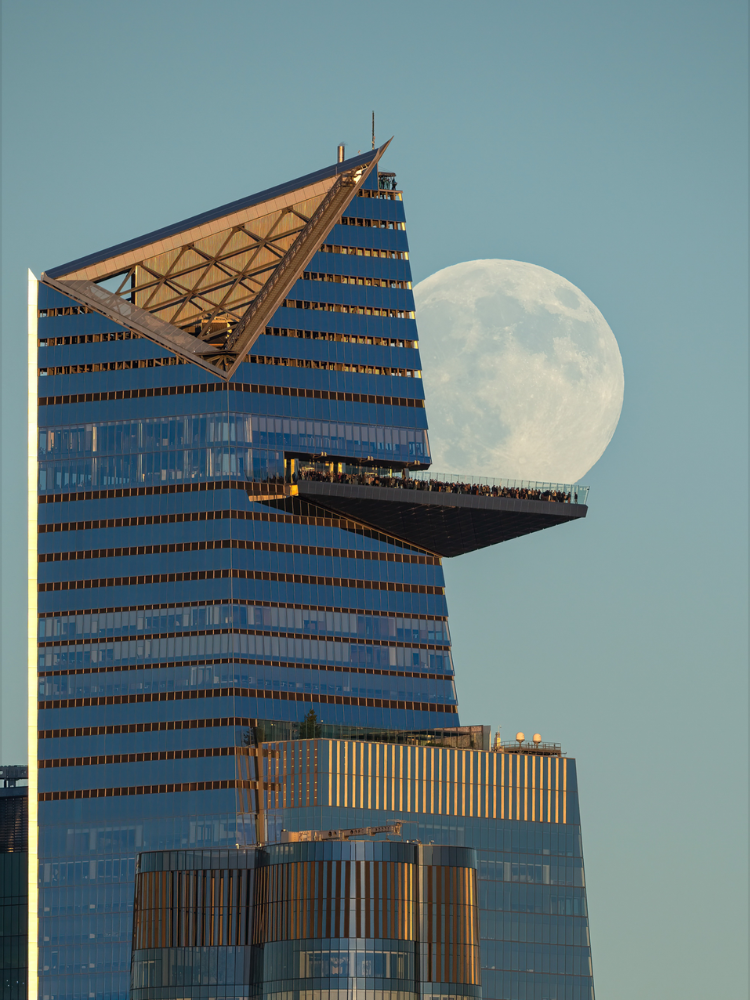
Sometimes It can be really windy while I’m shooting. The first thing I do is raise my shutter speed, raise my ISO, and adjust my aperture to the fastest f-stop possible, which is usually between f/5.6 – f/6.3. The digital cameras these days can handle high ISO’s effectively. Always shoot in RAW as you will have more control to edit your files. It’s certainly ok to shoot RAW + JPEG. The JPEG can be opened up on almost any platform and takes up less space.
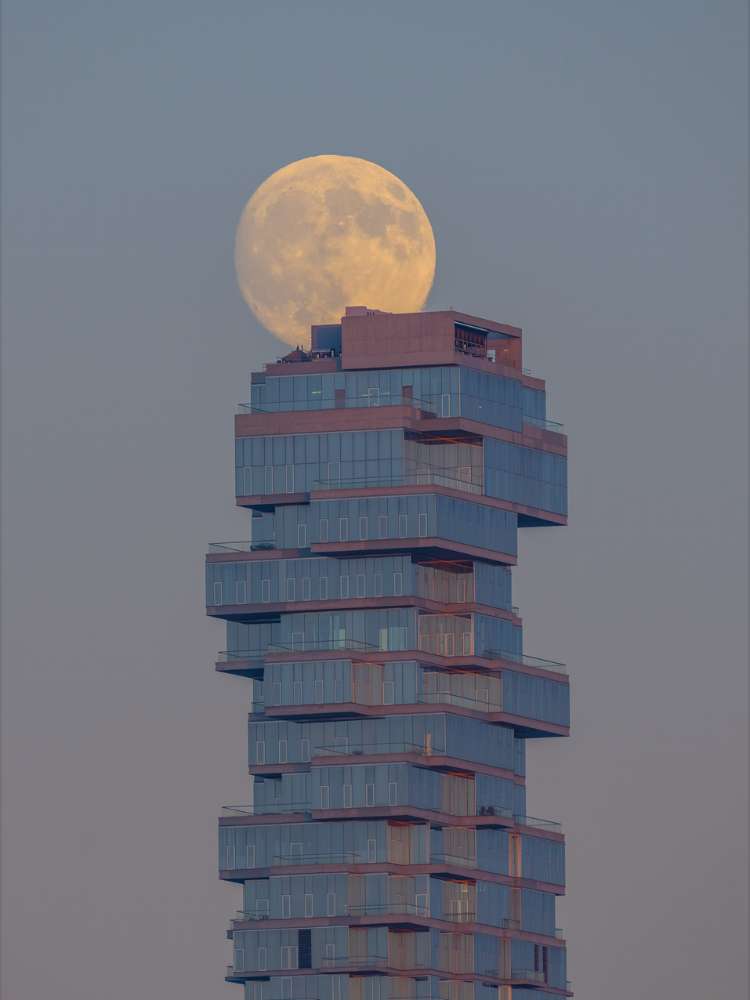
It’s important to have patience while shooting. Sometimes things will go wrong, such as your camera not focusing. I shoot both in autofocus and manual. Its best to shoot in live view and in manual focus. Use the magnifier on your camera to make sure you’re in focus. Typically, I under-expose my shots and sometimes I’ll shoot in continuous mode so I can have a bunch of shots to choose from. You never know what you may keep!
Mike Carroll is a professional landscape and night sky photographer who has a passion for moon photography, astrophotography, concert photography, long exposures and cityscapes.
Born and raised in New Jersey, Mike is a former musician who started his craft by photographing live music performances. His dedication towards photography has taken his journey from the sun to the moon and even the Milky Way — It’s all about getting that once in a lifetime shot!
Mike will plan his shoots a couple of weeks in advance. Preparation is key to capturing that big moon or that lightning shot — Even if he finds himself running in a thunderstorm to a location or navigating in the dark to shoot the moon.
He was recently featured on PetaPixel for his image of the Flower Moon. Mike was also featured on News 12 NJ for his time lapse of the SpaceX Falcon 9 Rocket over New Jersey. In addition, the rocket was also published on Accuweather, Yahoo and MSN. Other TV stations where his work was featured on were WPIX & NY1. Mike is an author for the Sigma Photo Blog.