Wildlife photography is not tidy work. It is rarely comfortable. And if you are doing it right, it will test every part of you, from your patience to your fingertips.
Wind, cold, heat, and moisture do not politely stay out of the frame. They shape the image, often in ways we do not see until later.
When the Wild Pushes Back: Photographing in the Toughest Conditions on Earth
Wildlife photography is not tidy work. It is rarely comfortable. And if you are doing it right, it will test every part of you, from your patience to your fingertips.
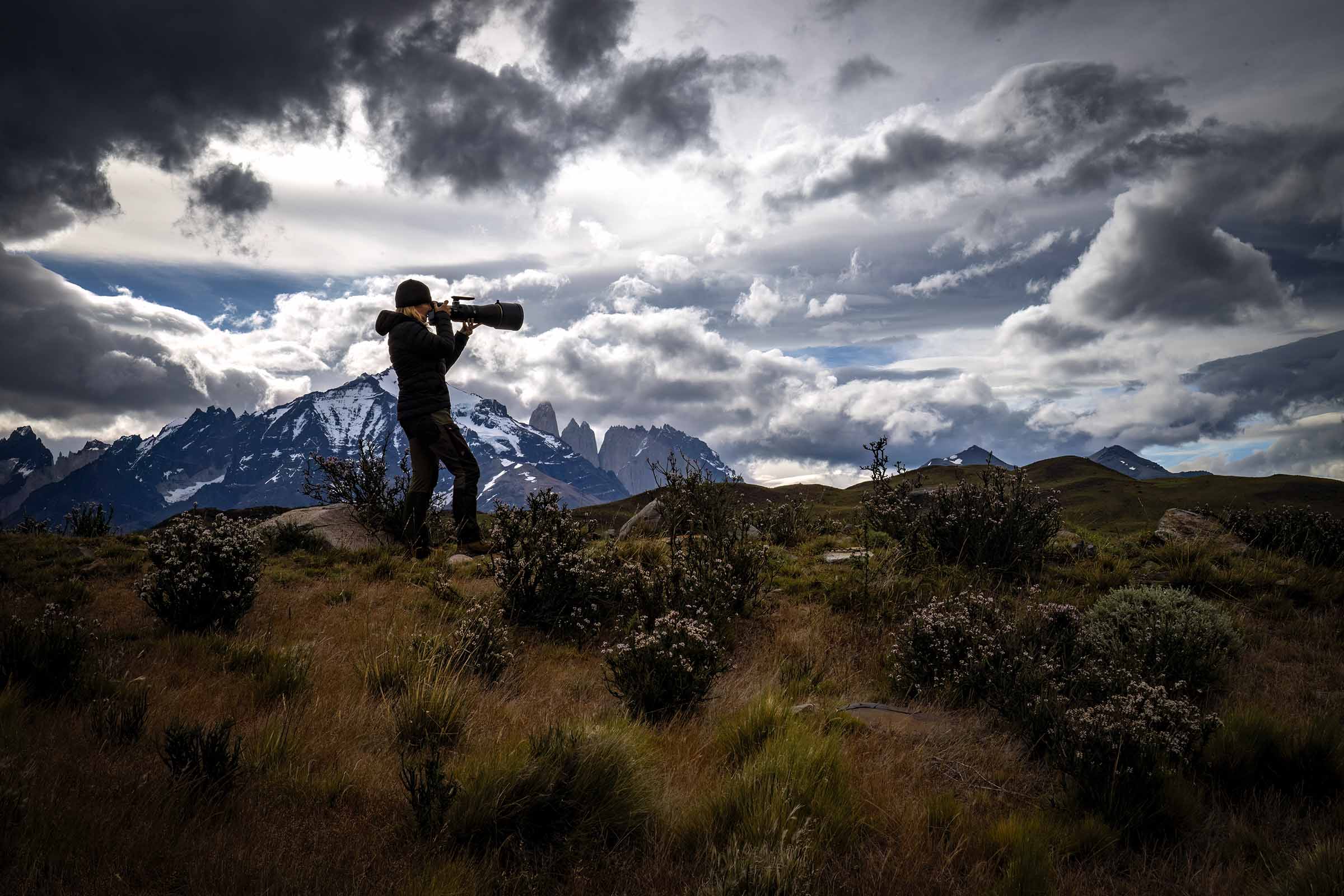
I have photographed in 80 km winds in Patagonia, where standing upright feels optional and the sound of the wind drowns out your thoughts. I have worked in Yellowstone at –56°F (–49°C), where metal burns skin, breath freezes instantly, and your camera feels like a living thing struggling to survive alongside you. I have also photographed in extreme heat in places like Indonesia where the air wraps around you, sweat becomes constant, and even thinking feels slower.
Yet the wild is not always harsh. There are days when the environment is forgiving. Calm mornings. Soft light. Still air. Moments that feel almost gentle. Those days matter too. They recharge you. They remind you why you love being out there. Wildlife photography lives somewhere between chaos and calm, and learning to work well in both is part of the craft.
The romance often lives in the final image. The reality lives in the in-between moments, when your eyes are watering from the wind, your viewfinder keeps fogging up, or heat is radiating off the ground. That is where preparation matters. That is where dependable gear earns its place.
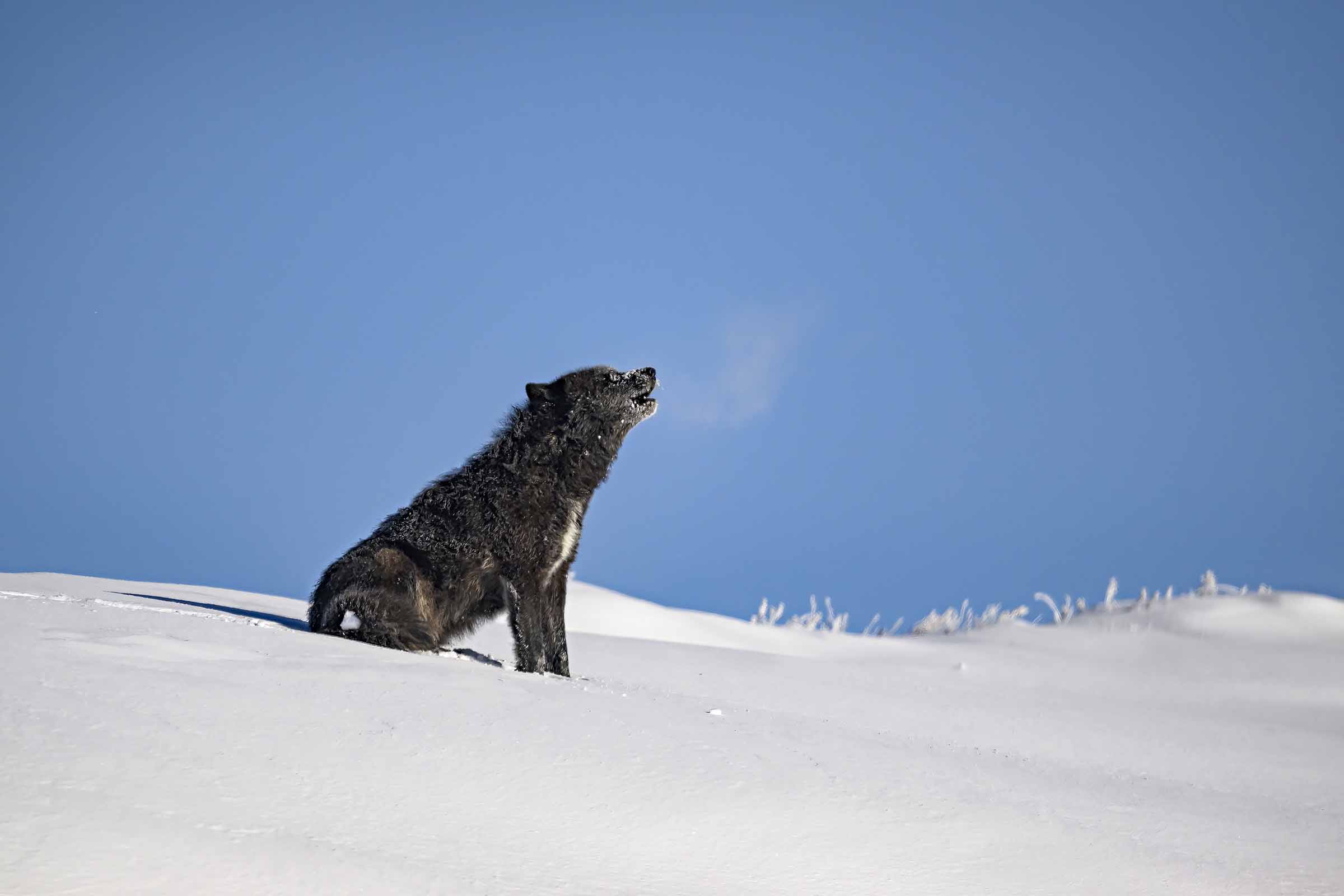
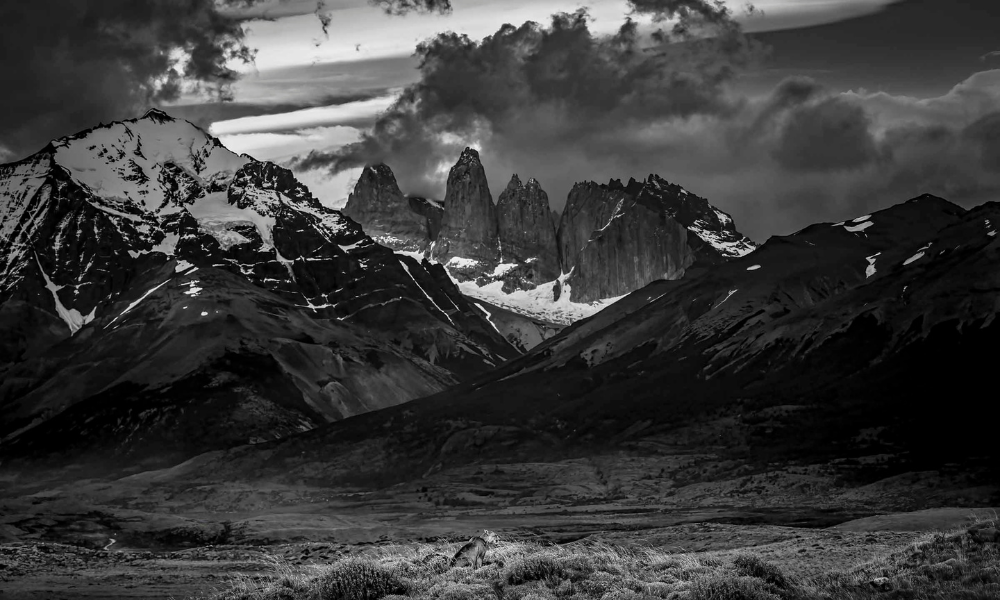
Patagonia taught me more about wind than any photography manual ever could.
High winds turn tripods into sails. They rattle lenses, vibrate sensors, and demand constant micro-adjustments. In those moments, hand-holding can sometimes be more stable than a tripod, especially if you brace low, elbows in, body grounded.
If I do use a tripod in heavy wind, I keep it low and wide, minimize the center column, and often hang weight beneath it. Even then, I watch every frame. Wind pulses. It breathes. You learn to shoot in the quiet gaps.
Shutter Speed Comes First
In high winds, deep cold, or oppressive heat, shutter speed becomes non-negotiable.
Wind shakes everything. Your body. The lens. The tripod. Even in cold, where movement feels slower, micro-vibrations are always there. If there is one setting I refuse to compromise on, it is shutter speed.
My priority is sharpness. Always – for the most part.
I use the fastest shutter speed I can reasonably afford for the situation. I would rather deal with noise than motion blur. A slightly grainy image that is sharp and can be helped with noise reduction software will always hold more power than a smooth file that misses by a fraction.
Cold and Heat Steal Energy. Preparation Gives It Back.
Extreme environments drain you. Physically and mentally.
In the cold, thick gloves limit dexterity. Thin gloves limit warmth. I layer. Always. A liner glove for shooting, heavier gloves ready for waiting. Rechargeable hand warmers live in every pocket.
In extreme heat, dehydration, fatigue, and sun exposure take their toll. Breathable layers, sun protection, hydration, and pacing matter just as much as camera settings. If you are uncomfortable, distracted, or exhausted, you miss moments. That’s easy to do when we are being tested by weather.
Outer gear matters because you matter. Staying warm. Staying cool. Staying dry. Comfort allows you to stay present. Presence is everything in wildlife photography.
This is also where high-capacity, fast memory cards become critical. Changing cards in brutal weather is a risk. Dropping one in snow (which I have done), sand, or water is not hypothetical. It happens. Reliable storage that lets you shoot longer without opening your camera to the elements is essential.
When your gear works without question, it frees you to focus on the moment, not the mechanics.
Wildlife Photography Is a Long Game
The hardest part is rarely the weather. It is the waiting.
Wildlife photography demands patience layered on top of preparation. You endure discomfort, uncertainty, and long stretches of nothing. Then, suddenly, everything happens at once.
That is why trust in your equipment matters so deeply. Fast cards that keep up. Storage that does not fail. Tools that work quietly and consistently. When the moment arrives, instinct should take over. Not troubleshooting.
Sadly, the wild rarely offers second chances.
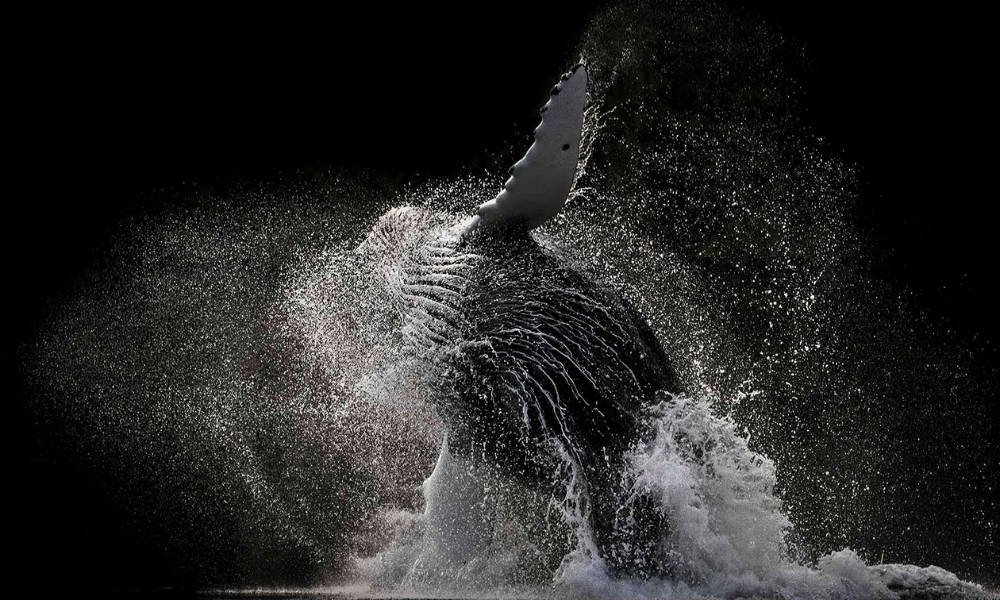
I have learned this lesson the hard way. Missed moments stay with you. Not as regrets, but as reminders.
Reliable gear does not make the photograph. You do. But unreliable gear can cost you one.
Wildlife photography is demanding. It is physical. It is emotional. It asks you to be prepared, patient, and adaptable. It gives back in fleeting moments of connection that feel almost sacred.
And when everything aligns, when the air stills or the chaos settles into rhythm, when the animal turns and your camera and you respond, you remember why you do this work.
That moment makes the cold fade. The heat softens. The wind quiet.
That is the privilege. That is the reward. And that is why preparation, comfort, and dependable gear matter out there, where the wild meets you on its own terms.
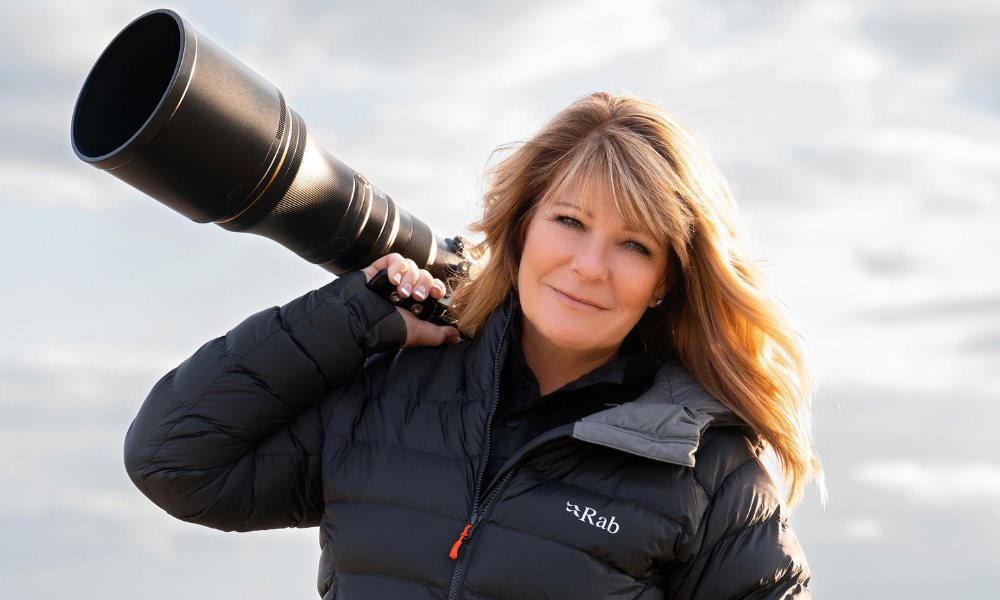
Award-winning photographer and Delkin ImageMaker Michelle Valberg, C.M. is one of Canada’s most respected wildlife and nature photographers. A Nikon Ambassador and recipient of the Order of Canada, her career spans more than four decades and all seven continents.
Michelle’s work is rooted in connection to wildlife, wild places, and the stories they hold. Known for creating images that are intimate, emotional, and immersive, she captures not just what the natural world looks like, but what it feels like.
As the first Photographer-in-Residence for Canadian Geographic, Michelle has helped shape how Canadians see their country, while using her platform to advocate for conservation, community, and storytelling with purpose.
For Michelle, photography isn’t just about images — it’s about impact.
Visit: https://www.michellevalberg.com